

Views: 0 Author: Site Editor Publish Time: 2025-11-26 Origin: Site
E6013 welding eletrode is acidic electrode or basic electrode?
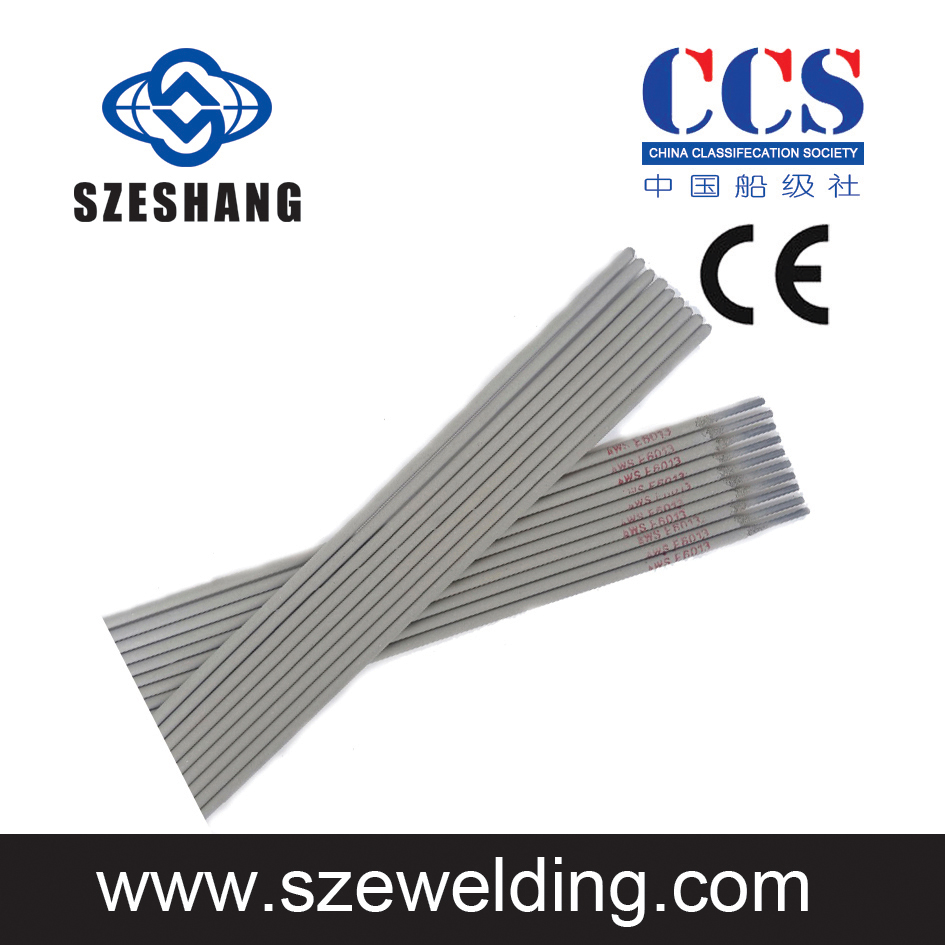
The E6013 welding electrode is an acidic electrode. Its coating is primarily based on rutile (titanium dioxide) and contains a significant proportion of acidic oxides like silica.
How to distinguish acidic and basic welding electrode?
1. By the Welding Code (Most Accurate) The easiest and most reliable way is to look at the AWS (American Welding Society) classification number on the electrode box or the rod itself.
Acid Electrodes: Typically end in -12, -13, -20, -27, -28.
Example: E6013 Basic
(Low-Hydrogen) Electrodes: Always end in -15, -16, -18.
Example: E7018 The "-18" in E7018 is your guarantee that it's a basic, low-hydrogen electrode.

2. By Practical Welding Behavior (The Welder's Test)
This is how you can tell the difference while you're welding.
Arc Stability & Sound:
Acidic: The arc is very stable and easy to strike. It makes a distinctive sharp, crackling sound, like frying bacon.
Basic: The arc can feel slightly stiffer or "colder." The sound is a softer, more muffled fizzing or ripping sound.
Slag Removal:
Acidic: The slag is glassy and brittle. It often curls up and self-peels away from the weld bead as it cools, or it comes off with a light tap. This is a hallmark of electrodes like E6013. Basic: The slag is dense and tough. It sticks firmly to the weld bead and requires vigorous chipping and wire brushing to remove.
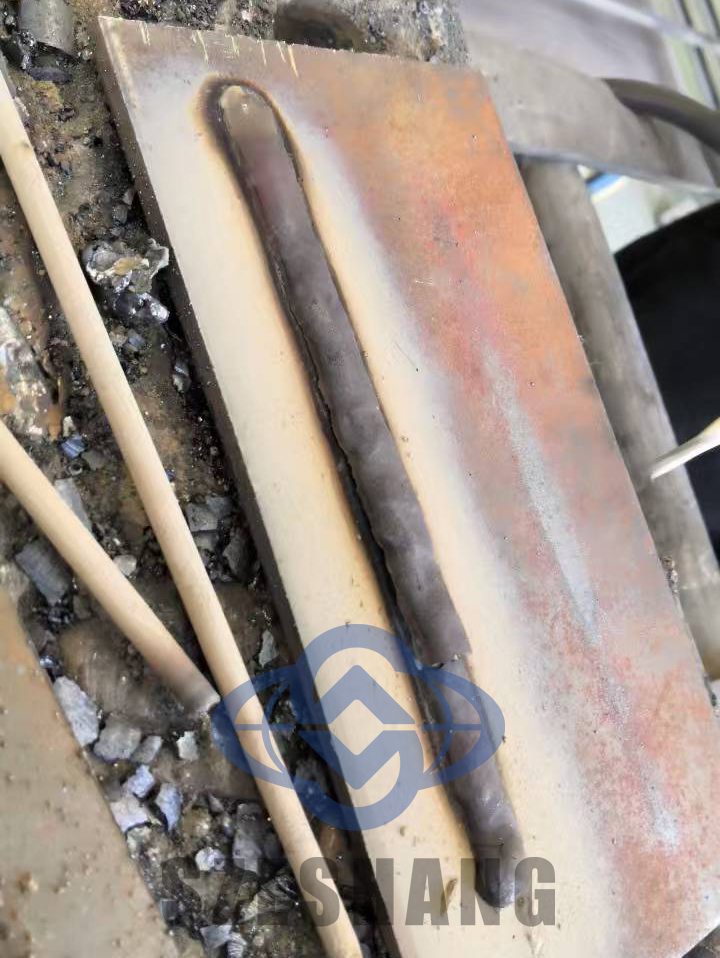
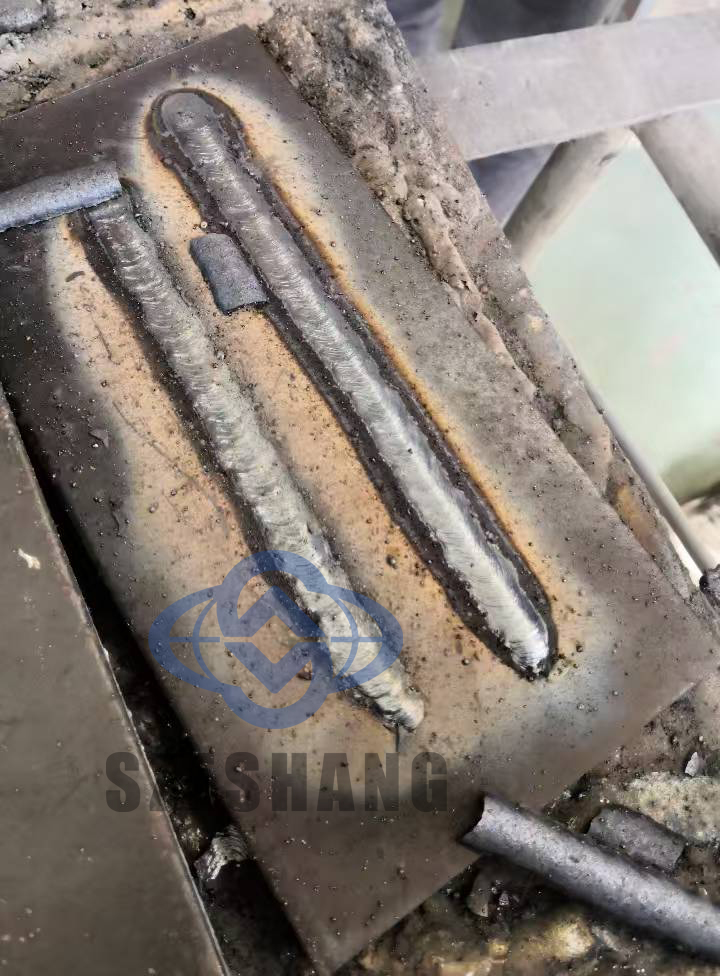
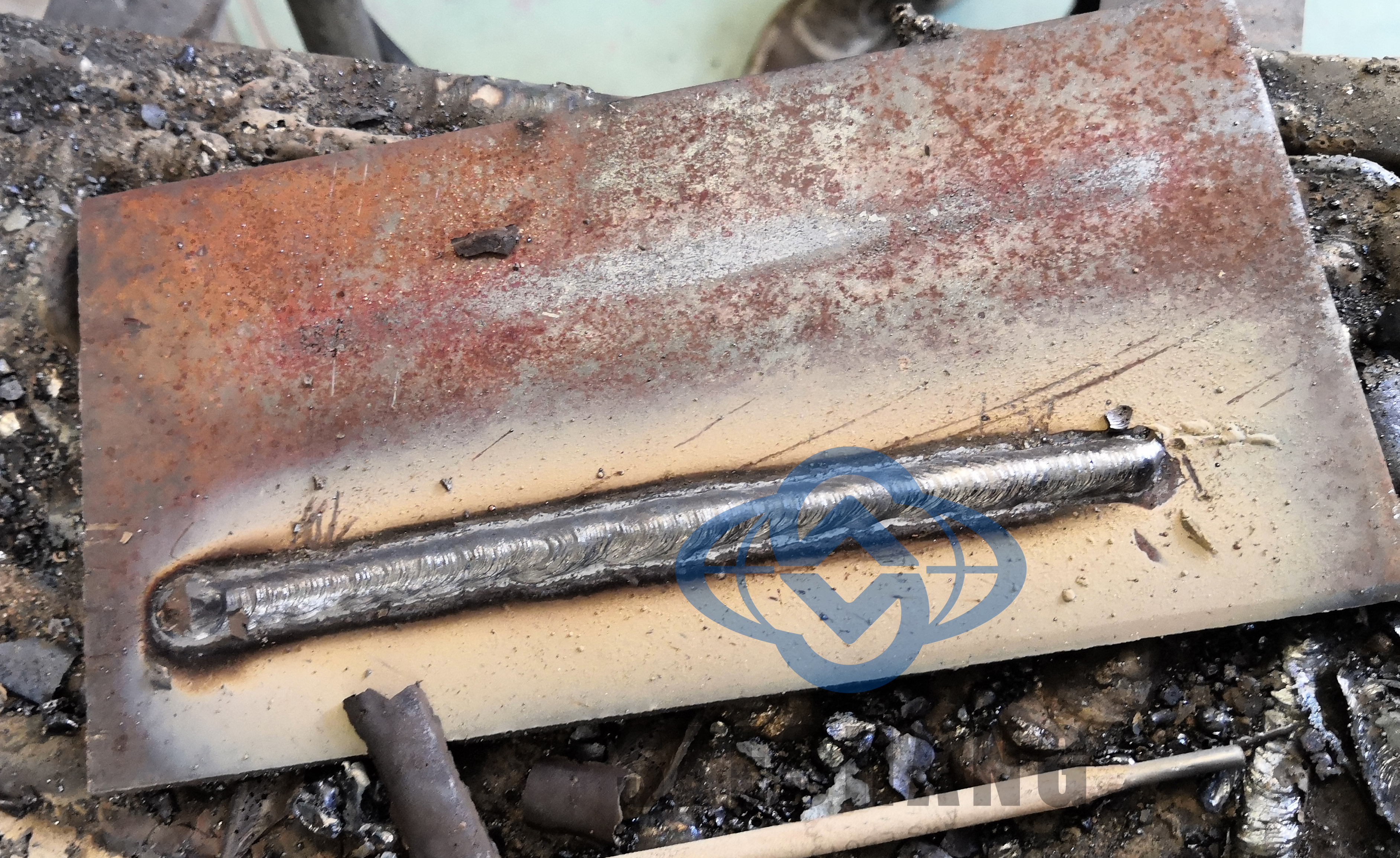
Weld Bead Appearance:
Acidic: Produces a very clean, smooth bead with fine, even ripples. The appearance is often excellent.
Basic: The bead can appear slightly rougher and is often more convex (raised) in profile.
3. By Storage & Handling Requirements (A Dead Giveaway) This is one of the biggest practical differences.
Acidic Electrodes (e.g., E6013): Forgiving. They can be left out of their packaging on the bench for days or weeks and will still work fine. They do not require special storage.
Basic Electrodes (e.g., E7018): Extremely Moisture-Sensitive. They are packaged in airtight cans. Once opened, they must be stored in a heated holding oven (typically 250°F / 120°C). If they absorb moisture from the air, they will cause porous, weak welds that are prone to hydrogen cracking. If a rod is left out for a few hours, it must be re-dried in a high-temperature oven before use.
Rule of Thumb: If the rod comes from an oven, it's almost certainly a basic electrode.
4. By Application and Weld Properties (The "Why") You choose one over the other for specific reasons related to the job's requirements.
Acidic Electrodes are used for: Sheet metal, general fabrication, and non-critical structures. Situations where ease of use and good appearance are the top priorities. They produce a weld that is more brittle and has lower impact toughness.
Basic Electrodes are used for: Critical structures: Bridges, buildings, ships, pressure vessels. High-strength steels, thick sections, and steels prone to cracking. Applications where the weld must withstand high stress, impact, or low temperatures. They produce a weld that is very ductile, tough, and resistant to cracking.
For more welding solutions,leave a message to us please.
#WeldingKnowledge #ElectrodeSelection #SkillsTraining #Manufacturing #IndustrialSafety #Weldingelectrode #Weldingsolution #E6013 #E7018
Shandong Szeshang Welding Materials Co., Ltd.
